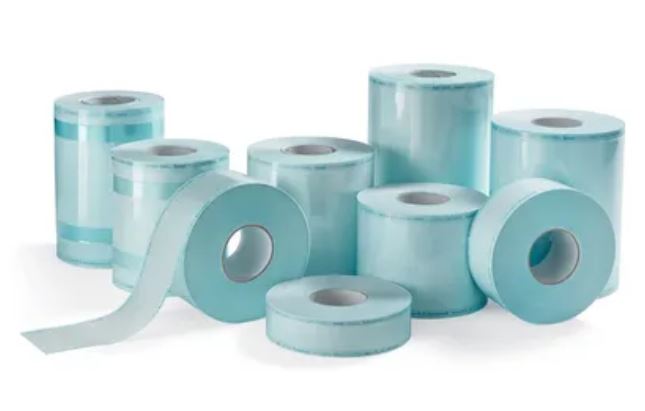
sky Blue colour sterilization reels

Sterilization Reels: The Ultimate Guide to Safe & Efficient Medical Packaging

In the healthcare and pharmaceutical industries, maintaining sterile conditions is not just a priority—it’s a necessity. One small lapse in sterilization can compromise patient safety, equipment reliability, and institutional credibility. This is where sterilization reels play a crucial role. Sterilization reels are specialized packaging materials designed to maintain the sterility of medical instruments after the sterilization process. Their intelligent design, combined with high-quality medical-grade paper and film, ensures reliable protection against contamination. Whether you’re running a hospital, dental clinic, laboratory, or surgical center, choosing the right sterilization reels can make all the difference in your infection control practices. What Are Sterilization Reels? Sterilization reels are medical packaging materials used to securely enclose instruments before sterilization and maintain their sterility afterward. They are typically composed of: Medical-grade paper: Allows permeability during sterilization. Transparent multilayer film: Provides visibility and acts as a protective barrier. These reels are available in various widths and lengths and can be heat-sealed to create a custom-sized pouch. The transparent film allows easy identification of instruments without opening the pack—saving time and preventing unnecessary contamination. Why Are Sterilization Reels Important? Maintaining sterility until the point of use is one of the biggest challenges in healthcare packaging. Sterilization reels address this challenge through: Barrier Protection: Prevents microorganisms and moisture from entering the packaging. Sterilization Compatibility: Compatible with steam, ethylene oxide (EO), and plasma sterilization methods. User Safety: Reduces the risk of infection by ensuring tools remain sterile until use. Convenience: Customizable lengths and widths make them versatile for various instruments. Cost Efficiency: Reduces packaging waste and improves operational efficiency compared to pre-made pouches. Types of Sterilization Reels There are several types of sterilization reels available, each suited to different sterilization techniques: Steam Sterilization Reels: Designed for autoclave or steam sterilizers, withstand high temperature and humidity, often with steam indicator strips. EO (Ethylene Oxide) Sterilization Reels: Compatible with gas sterilization, include EO indicator ink for safety compliance. Plasma Sterilization Reels: Made for low-temperature plasma sterilization, resistant to oxidation and suitable for delicate instruments. Tyvek® Sterilization Reels: Made from Tyvek® offering microbial barrier properties and tear resistance, ideal for critical applications. Key Features of High-Quality Sterilization Reels Medical-Grade Raw Materials: Paper and film layers comply with ISO 11607 and EN 868 standards. Consistent Seal Integrity: Strong, uniform seals prevent air leakage and maintain sterility. Easy Peel Design: Allows clean opening without paper fiber or film tear. Chemical Indicator Inks: Printed indicators signal exposure to sterilization conditions. Lot Number & Traceability: Ensures batch-level quality tracking and compliance. Transparency & Print Clarity: Helps in visual inspection and labeling for easy identification. How to Use Sterilization Reels Properly Cut the required length of sterilization reel as per instrument size. Seal one end using a heat sealer with consistent temperature and pressure. Insert instruments, ensuring they are dry and clean. Seal the open end, maintaining a proper sealing margin. Label and date the package using a sterilization-proof marker. Sterilize using the correct method (steam, EO, or plasma). Inspect the color change in indicator ink to confirm sterilization. Advantages of Using Sterilization Reels Long-Term Sterility Maintenance – Prevents recontamination after sterilization. Customizable Packaging – Suitable for tools of various sizes. Improved Workflow – Faster packaging and easier identification. Reduced Material Wastage – Use only what’s needed per instrument. Compliance with International Standards – Aligns with ISO, EN, and FDA norms. Common Mistakes to Avoid When Using Sterilization Reels Overfilling pouches, which reduces air circulation and sterilization efficiency. Improper sealing, leading to air leaks. Using damaged reels or film. Ignoring color indicator results. Storing reels in humid or contaminated areas. How to Choose the Right Sterilization Reels Sterilization Method: Steam, EO, or plasma compatibility. Instrument Size and Type: Choose widths accordingly. Regulatory Compliance: Ensure certification (ISO 13485, CE marking, etc.). Supplier Reputation: Source from reliable, certified manufacturers. Customization Options: Printed indicators, logo printing, or custom roll lengths. Frequently Asked Questions (FAQs) 1. What are sterilization reels used for? Sterilization reels are used to pack and maintain the sterility of medical instruments after sterilization processes like steam or EO sterilization. 2. What is the use of a sterilization roll? A sterilization roll is used to securely pack medical instruments before sterilization and maintain sterility afterward, ensuring tools remain clean and safe until use. 3. How long can sterilized items remain sterile in reels? When stored in proper conditions, sterilized items can remain sterile for several months, depending on environmental factors. 4. What is the difference between sterilization reels and pouches? Pouches are pre-made sizes, while reels allow you to customize the length, offering flexibility and reduced waste. 5. Can sterilization reels be used for plasma sterilization? Yes, specific plasma-compatible reels are available that withstand low-temperature sterilization methods. Conclusion Sterilization reels are the backbone of infection prevention and sterile packaging in medical and dental facilities. By choosing high-quality reels that comply with international standards, you safeguard not only your instruments but also patient health and institutional trust. Whether you’re a small clinic or a large hospital, investing in the right sterilization reels ensures peace of mind, safety, and operational efficiency.

Sterilization Reels: The Ultimate Guide to Safe & Efficient Medical Packaging Read More »
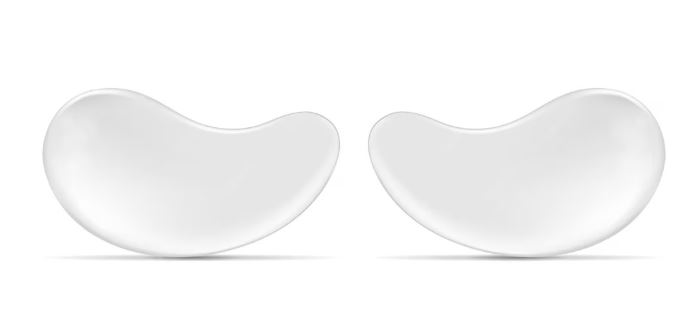
Orthoptic Eye Patch banner

Orthoptic Eye Patch: A Vital Tool for Vision Therapy

When it comes to eye health and vision correction, an Orthoptic Eye Patch plays a crucial role in treating conditions like amblyopia (lazy eye), strabismus (crossed eyes), and binocular vision problems. This simple yet effective device is recommended by ophthalmologists and orthoptists to strengthen weaker eyes and improve coordination. In this guide, we’ll explore everything you need to know — from how an Orthoptic Eye Patch works to its benefits, types, and expert usage tips. What Is an Orthoptic Eye Patch? An Orthoptic Eye Patch is a specially designed medical patch used in vision therapy. It covers the stronger eye, compelling the weaker eye to work harder. Over time, this helps improve visual acuity, eye alignment, and overall binocular function. Unlike traditional patches, orthoptic patches are designed for comfort, skin safety, and breathability — making them ideal for both children and adults. How Does an Orthoptic Eye Patch Work? The working principle of an Orthoptic Eye Patch is based on occlusion therapy. By covering the dominant eye, the weaker eye is forced to focus and develop its visual strength. This method helps: Stimulate the visual cortex in the brain Encourage eye-muscle balance and coordination Improve eye-hand coordination and focus Reduce dependence on the dominant eye Regular use, as prescribed by an eye specialist, can significantly enhance visual development — especially in children aged 3 to 10, when the brain’s adaptability is at its peak. Medical Conditions Treated with Orthoptic Eye Patch An Orthoptic Eye Patch is a non-invasive, safe, and effective part of treatment for various eye conditions such as: Amblyopia (Lazy Eye) – Improves the vision of the weaker eye by stimulating its function. Strabismus (Crossed Eyes) – Encourages proper alignment and reduces double vision. Diplopia (Double Vision) – Helps retrain the eyes to focus together. Post-Surgery Eye Therapy – Supports recovery after eye surgeries by balancing vision. Binocular Vision Disorder – Enhances coordination between both eyes for better depth perception. Types of Orthoptic Eye Patches To ensure both effectiveness and comfort, Orthoptic Eye Patches come in several types and designs: Adhesive Eye Patches: Disposable patches that stick directly to the skin; soft, hypoallergenic, and breathable. Fabric or Reusable Eye Patches: Fit over glasses or directly on the face, washable and eco-friendly. 3D Orthoptic Patches for Glasses: Attach easily to eyeglasses, ideal for children with corrective lenses. Silicone Orthoptic Eye Patch: Smooth texture, suitable for sensitive skin or post-surgery therapy. Benefits of Using an Orthoptic Eye Patch Improves Visual Strength: Trains the weaker eye to function independently and effectively. Enhances Binocular Vision: Promotes proper eye alignment and coordination. Boosts Confidence in Children: Encourages better visual performance in school and play. Skin-Friendly and Comfortable: Made with soft materials to reduce irritation. Easy to Use and Affordable: Simple home therapy solution recommended by professionals. How to Use an Orthoptic Eye Patch Properly Consult an Eye Specialist: Always use under medical supervision. Follow the Schedule: Wear the patch for the prescribed duration (usually 2–6 hours daily). Alternate Eye Exercises: Combine patching with vision exercises for better results. Check for Skin Reactions: Choose hypoallergenic materials to avoid rashes or discomfort. Track Progress: Regularly monitor improvement with your eye doctor. Choosing the Right Orthoptic Eye Patch Consider the following factors when selecting an Orthoptic Eye Patch: Material Quality: Breathable and skin-safe Size and Fit: Covers the eye completely without pressure Comfort Level: Especially for sensitive or young skin Ease of Use: Adhesive or adjustable strap options Brand Reputation: Choose patches recommended by ophthalmologists Different Types of Orthoptic Eye Patches Type Description Ideal For Adhesive Patches Stick directly to the skin Children, short-term therapy Fabric Patches Reusable, soft cloth-based Adults, long-term therapy Elastic Band Patches Adjustable fit Post-surgery use Occlusion Glass Patches Fits over glasses Individuals with spectacles Care Tips for Orthoptic Eye Patches Use hypoallergenic materials if you have sensitive skin. Avoid reusing disposable adhesive patches. Clean reusable patches with mild soap and water. Keep them in a clean, dry case when not in use. Never use damaged or dirty patches. Why Choose a Quality Orthoptic Eye Patch? Better Comfort: Soft, breathable, and skin-safe material Proper Coverage: Complete light blockage for effectiveness Durability: Long-lasting and reusable design Medical-Grade Standards: Trusted by ophthalmologists and optometrists Frequently Asked Questions (FAQs) 1. What is the main purpose of an Orthoptic Eye Patch? The main purpose is to strengthen a weaker eye by covering the stronger one, promoting balanced vision. 2. How long should I wear an Orthoptic Eye Patch daily? Typically 1–3 hours daily, depending on your doctor’s recommendation. 3. Can adults use Orthoptic Eye Patches? Yes, for double vision, post-surgery recovery, or muscle coordination therapy. 4. Are Orthoptic Eye Patches reusable? Fabric or elastic patches are reusable, while adhesive ones are single-use. 5. Can Orthoptic Eye Patches cause irritation? Only if low-quality or non-breathable patches are used. Always choose hypoallergenic patches.

Orthoptic Eye Patch: A Vital Tool for Vision Therapy Read More »

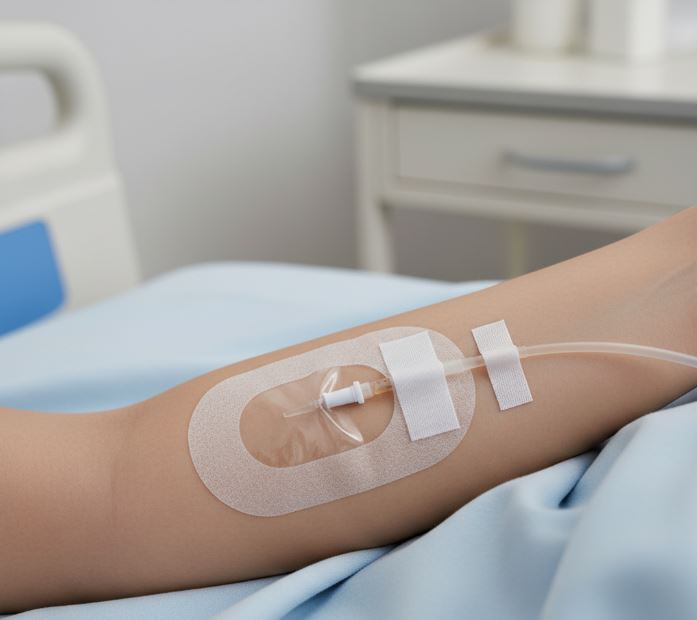
IV Cannula Fixator: image

Everything You Need to Know About an IV Cannula Fixator: Choosing, Applying & Maintaining It

An IV cannula fixator is a specialised adhesive device designed to securely anchor an intravenous cannula in place. Proper fixation prevents accidental dislodgement, reduces complications, and enhances patient comfort. In this guide, we explore what an IV cannula fixator is, why it matters, how to choose and apply it, and how hospitals can evaluate them for cost-effectiveness. What is an IV Cannula Fixator? An IV cannula fixator (also called a cannula fixer or cannula tape) is made from breathable fabric or transparent film with medical-grade adhesive. Its main purpose is to hold the cannula hub and tubing securely on the skin without restricting movement. Key Features include: Hypoallergenic adhesive to reduce skin irritation. Moisture-vapour-permeable backing that allows the skin to breathe. Transparent or skin-coloured material to enable continuous site monitoring. Why is an IV Cannula Fixator Important? Using the correct IV cannula fixator helps to: Secure the cannula site and prevent accidental pull-out or shifting. Reduce infection risk by maintaining site cleanliness and device stability. Improve patient comfort by minimising skin trauma or catheter movement. Support clinical workflow by reducing the need for re-insertions—saving time and cost. Types of IV Cannula Fixators & How to Choose When selecting an IV cannula fixator, you’ll encounter several variants: Adhesive Fabric Fixator: Soft woven fabric with a skin-coloured finish, ideal for longer-term placement and sensitive skin. Transparent Film Fixator: Clear film that allows visual monitoring of the insertion site—excellent for ICU or high-visibility areas. Elastic Adhesive Fixator: Flexible elastic backing allows patient movement (e.g., paediatric or ambulatory patients) while maintaining secure fixation. Choosing Tips: Match fixator size to cannula gauge and tubing diameter. Consider patient skin condition (fragile skin, allergy history). Determine expected cannula duration — short-term vs long-term placement. Ensure breathable backing for comfort and skin health. Verify adhesive strength and removal ease to avoid residue or skin trauma. Application: How to Use an IV Cannula Fixator Clean and dry the skin around the insertion site; remove any oil, sweat or residue. Select the correct size and type of fixator for your cannula setup. Position the cannula tubing in the desired orientation, keeping a gentle loop if needed to prevent tension. Apply the fixator backing, pressing firmly but gently across the cannula hub and tubing to secure. Avoid wrapping too tightly — allow slight flexibility to reduce stress. Monitor the site regularly for redness, swelling or adhesive lifting; replace the fixator if needed. When removing, gently peel from one edge while supporting the skin to avoid trauma. Common Mistakes to Avoid Using generic adhesive tape instead of a proper IV cannula fixator. Applying over wet or oily skin, which reduces adhesion. Leaving the fixator unchanged for too long, risking skin breakdown or infection. Ignoring tubing tension — patient movement may pull or dislodge the cannula. Failing to inspect the site regularly, potentially missing infiltration or infection signs. Procurement & Cost-Effectiveness Considerations Ensure sterile individual pouches to support infection control. Check certifications and medical-grade adhesive standards (ISO, CE). Compare size ranges (small, medium, large) to suit various patient groups. Assess manufacturer reliability and supply capacity—vital for high-volume hospital use. Consider overall cost-effectiveness: fewer re-insertions and complications lower total care costs. Store in a cool, dry place and monitor expiry dates—adhesive performance degrades over time. Frequently Asked Questions (FAQs) 1. What is an IV Cannula Fixator used for? An IV cannula fixator is used to anchor the intravenous cannula and tubing securely to the skin, preventing movement and reducing the risk of dislodgement or infection. 2. How long can I leave an IV Cannula Fixator in place? The duration depends on patient condition, skin status and cannula site. The insertion site should be inspected daily, and the fixator replaced if adhesive weakens or skin shows irritation. 3. Can I use regular tape instead of a dedicated IV Cannula Fixator? While possible, regular tape lacks the skin-friendly adhesive, breathability, and ergonomic design of a proper IV cannula fixator and may increase the risk of fixation failure or skin trauma. 4. What types of patients benefit most from IV Cannula Fixators? Patients in ICUs, paediatrics, ambulatory settings, or those with sensitive or fragile skin benefit the most from proper IV cannula fixation systems. Conclusion Choosing and using the right IV cannula fixator is a small yet vital step in intravenous therapy. It enhances device stability, reduces complications, supports patient comfort, and lowers costs. Whether you are a clinician, purchasing manager, or caregiver, understanding product features, application techniques, and procurement factors ensures better outcomes. The next time you set up an IV line, ensure your fixator is correctly selected, applied, and monitored — your patients and workflow will both benefit.

Everything You Need to Know About an IV Cannula Fixator: Choosing, Applying & Maintaining It Read More »

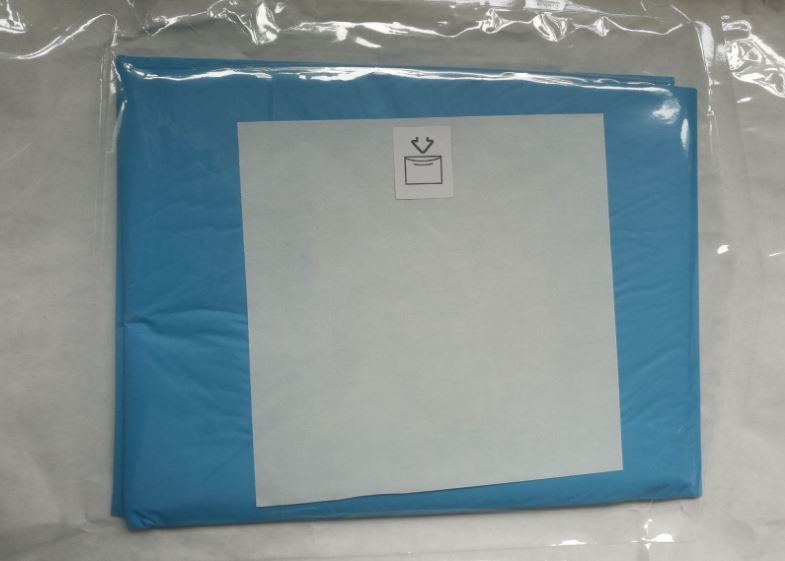
blue eye drapes

Eye Drapes – A Complete Guide for Ophthalmic Surgical Excellence

Eye drapes are specially designed sterile covers or sheets used during eye surgeries or examinations to isolate the ocular (eye) region while allowing access to the operative field. Typically made from high-performance non-woven fabrics (such as SMS – spunbond-meltblown-spunbond), laminated materials or combinations thereof, these drapes offer a barrier against fluid, microorganisms and particulate contamination. The drape is fenestrated (an opening) that aligns with the surgical site, while the remaining area shields surrounding tissues and maintains asepsis. Using the right eye drape helps to safeguard the patient and optimise surgical conditions. Key Features & Specifications When evaluating eye drapes, these are the features you should review: Material & Barrier Performance: Premium drapes use SMS non-woven, composite films or laminate fabrics to offer liquid and bacterial penetration resistance, low linting and strength. For example, one provider lists SMS+viscose+PE material. Sterility & Certifications: Look for EO sterilisation or similar. Certifications like ISO 13485, CE marking and EN13795 compliance indicate reliable manufacturing standards. Fenestration (Opening) Size & Placement: The aperture must match the surgical microscope/treatment area. Some drapes come with single large apertures, some with dual, some with integrated incise films. Fluid Collection Pouch/Absorbent Strip: Especially in eye surgery, fluids (irrigation, visco-elastics) need controlled management – many drapes include an integrated fluid collection bag or absorbent pad. Adhesive/Securing Strips: To prevent drape shifting and to maintain seal around the eye area. Adhesive must be hypoallergenic, strong and safe. Sizes & Packaging: Full-face drapes, half-face, mini drapes, or kits with multiple drapes. Some mould sizes to specific procedures (laser vs vitrectomy). Comfort & Patient Safety: Drape design should allow breathing, avoid pressure on eyelids or face, be soft and low-allergenic. Applications: Where & How Eye Drapes Are Used Eye drapes are used across a range of ophthalmic procedures. Here are some typical scenarios: Cataract Surgery: The drape isolates only the eye region, helps keep the field dry and clear, and supports microscope work. Glaucoma Surgery: For trabeculectomy or other filtration surgeries, the drape needs to provide sufficient access to the superior quadrant while maintaining a seal. Vitrectomy / Retinal Surgery: Larger surgery fields require a drape with bigger fenestration and often integrated fluid pouch for irrigation outflow. Laser Eye Surgery / Refractive Surgery: Drifts are smaller but require anti-static, low-lint materials and precise fenestrations. Ophthalmic Diagnostics / Laser Treatments: Even non-invasive procedures benefit from disposable sterile drapes to maintain cleanliness and patient comfort. Selecting the Right Eye Drapes for Your Practice or Hospital Match the drape to the procedure: Ensure the fenestration, pouch size and drape dimension match the surgery type. Ensure sterility and compliance: Ask the supplier for certification (ISO, CE) and ensure the product meets national medical device regulations. Evaluate material & performance: For high-volume centres, cost matters – but don’t trade off barrier performance or patient safety. Check packaging & logistics: Individually packaged sterile pouches save operating room time. Also check shelf life, storage conditions and local supplier service (especially in India). Cost vs value: While price per piece is one factor, consider ease-of-use (time saved in OR), reduction in infection risk, and patient comfort. A better drape may pay back through fewer complications. Supplier support & customisation: Some suppliers offer customised drapes (size, fenestration, printed branding) which may be useful for specialised centres. Disposal & sustainability: In India, disposal of medical waste is costly. Consider drapes with minimal environmental impact or affiliated disposal support. Best Practices for Use & Disposal Before opening, ensure the sterile pouch is intact, labelled with expiry, batch number and sterilisation status. In the OR, apply the drape ensuring the adhesive edges are sealed, the fenestration aligns correctly, and fluid pouch (if present) is positioned to catch irrigation/visco. Monitor during surgery: if fluid accumulates in the pouch, check for leaks or drape shift. After the surgery ends, remove the drape carefully to avoid contaminating the surgical site or instruments. Dispose of the drape in the appropriate medical-waste stream per your local regulations (in India: Bio-Medical Waste Management Rules). Maintain records of drape type, lot number and usage for traceability in case of any postoperative infection event. Innovations & Trends in Eye Drapes Integrated fluid collection systems: Pouches and channels built into the drape to channel away irrigation fluid and blood more efficiently. Low-lint, anti-static materials: Especially relevant for laser-based ophthalmic surgery where particles can affect optics. Customised drape kits: Pre-assembled kits that include not only the drape, but other consumables (patches, speculums, shields) making OR prep faster. Environmental sustainability: Some manufacturers are exploring biodegradable coatings, recycled non-woven fabrics and better waste management (important for Indian hospitals trying to reduce medical waste burden). Enhanced patient comfort: Soft edging, hypoallergenic adhesives, options for facial coverage for patients undergoing surgery under local anaesthetic who may be conscious. Why Choose Quality Eye Drapes? Reduced infection risk: Maintaining a sterile field and controlling fluid/particle migration lowers postoperative complications. Improved surgical efficiency: Proper drape design allows the surgeon unobstructed access and clear visibility. Better patient experience: Comfortable draping and less noise/interference during surgery improve patient trust and outcomes. Cost-worthiness: Although premium drapes cost more per unit, the downstream savings (less infection, fewer re-operations, improved throughput) often more than justify the investment. Conclusion In ophthalmic surgical practice, attention to detail on consumables like Eye Drapes can make a significant difference. Whether you’re equipping a busy cataract centre in Mumbai, or upgrading your laser-suite in Pune, choosing the right drape means looking at material, design, certification, fit for procedure, logistics and post-use disposal. As the market evolves with smarter materials and eco-friendly designs, staying informed ensures your centre remains efficient, safe and cost-effective. For any provider choosing quality ophthalmic supplies, the right eye drape is not merely a cover—it’s part of the surgical success. Frequently Asked Questions (FAQs) 1. What are Eye Drapes used for in ophthalmic surgery? Eye Drapes are sterile covers used during ophthalmic surgeries to isolate the eye area and maintain a contamination-free environment. They help protect the patient’s skin and surrounding areas from fluids, ensuring a sterile surgical field

Eye Drapes – A Complete Guide for Ophthalmic Surgical Excellence Read More »