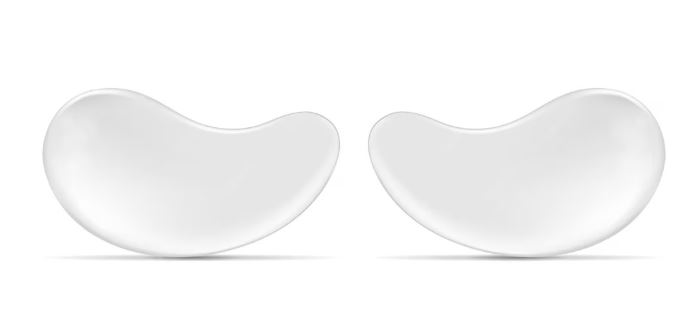
When it comes to eye health and vision correction, an Orthoptic Eye Patch plays a crucial role in treating conditions like amblyopia (lazy eye), strabismus (crossed eyes), and binocular vision problems. This simple yet effective device is recommended by ophthalmologists and orthoptists to strengthen weaker eyes and improve coordination. In this guide, we’ll explore everything you need to know — from how an Orthoptic Eye Patch works to its benefits, types, and expert usage tips.
What Is an Orthoptic Eye Patch?
An Orthoptic Eye Patch is a specially designed medical patch used in vision therapy. It covers the stronger eye, compelling the weaker eye to work harder. Over time, this helps improve visual acuity, eye alignment, and overall binocular function.
Unlike traditional patches, orthoptic patches are designed for comfort, skin safety, and breathability — making them ideal for both children and adults.
How Does an Orthoptic Eye Patch Work?
The working principle of an Orthoptic Eye Patch is based on occlusion therapy. By covering the dominant eye, the weaker eye is forced to focus and develop its visual strength.
This method helps:
- Stimulate the visual cortex in the brain
- Encourage eye-muscle balance and coordination
- Improve eye-hand coordination and focus
- Reduce dependence on the dominant eye
Regular use, as prescribed by an eye specialist, can significantly enhance visual development — especially in children aged 3 to 10, when the brain’s adaptability is at its peak.
Medical Conditions Treated with Orthoptic Eye Patch
An Orthoptic Eye Patch is a non-invasive, safe, and effective part of treatment for various eye conditions such as:
- Amblyopia (Lazy Eye) – Improves the vision of the weaker eye by stimulating its function.
- Strabismus (Crossed Eyes) – Encourages proper alignment and reduces double vision.
- Diplopia (Double Vision) – Helps retrain the eyes to focus together.
- Post-Surgery Eye Therapy – Supports recovery after eye surgeries by balancing vision.
- Binocular Vision Disorder – Enhances coordination between both eyes for better depth perception.
Types of Orthoptic Eye Patches
To ensure both effectiveness and comfort, Orthoptic Eye Patches come in several types and designs:
- Adhesive Eye Patches: Disposable patches that stick directly to the skin; soft, hypoallergenic, and breathable.
- Fabric or Reusable Eye Patches: Fit over glasses or directly on the face, washable and eco-friendly.
- 3D Orthoptic Patches for Glasses: Attach easily to eyeglasses, ideal for children with corrective lenses.
- Silicone Orthoptic Eye Patch: Smooth texture, suitable for sensitive skin or post-surgery therapy.
Benefits of Using an Orthoptic Eye Patch
- Improves Visual Strength: Trains the weaker eye to function independently and effectively.
- Enhances Binocular Vision: Promotes proper eye alignment and coordination.
- Boosts Confidence in Children: Encourages better visual performance in school and play.
- Skin-Friendly and Comfortable: Made with soft materials to reduce irritation.
- Easy to Use and Affordable: Simple home therapy solution recommended by professionals.
How to Use an Orthoptic Eye Patch Properly
- Consult an Eye Specialist: Always use under medical supervision.
- Follow the Schedule: Wear the patch for the prescribed duration (usually 2–6 hours daily).
- Alternate Eye Exercises: Combine patching with vision exercises for better results.
- Check for Skin Reactions: Choose hypoallergenic materials to avoid rashes or discomfort.
- Track Progress: Regularly monitor improvement with your eye doctor.
Choosing the Right Orthoptic Eye Patch
Consider the following factors when selecting an Orthoptic Eye Patch:
- Material Quality: Breathable and skin-safe
- Size and Fit: Covers the eye completely without pressure
- Comfort Level: Especially for sensitive or young skin
- Ease of Use: Adhesive or adjustable strap options
- Brand Reputation: Choose patches recommended by ophthalmologists
Different Types of Orthoptic Eye Patches
| Type | Description | Ideal For |
|---|---|---|
| Adhesive Patches | Stick directly to the skin | Children, short-term therapy |
| Fabric Patches | Reusable, soft cloth-based | Adults, long-term therapy |
| Elastic Band Patches | Adjustable fit | Post-surgery use |
| Occlusion Glass Patches | Fits over glasses | Individuals with spectacles |
Care Tips for Orthoptic Eye Patches
- Use hypoallergenic materials if you have sensitive skin.
- Avoid reusing disposable adhesive patches.
- Clean reusable patches with mild soap and water.
- Keep them in a clean, dry case when not in use.
- Never use damaged or dirty patches.
Why Choose a Quality Orthoptic Eye Patch?
- Better Comfort: Soft, breathable, and skin-safe material
- Proper Coverage: Complete light blockage for effectiveness
- Durability: Long-lasting and reusable design
- Medical-Grade Standards: Trusted by ophthalmologists and optometrists
Frequently Asked Questions (FAQs)
- 1. What is the main purpose of an Orthoptic Eye Patch? The main purpose is to strengthen a weaker eye by covering the stronger one, promoting balanced vision.
- 2. How long should I wear an Orthoptic Eye Patch daily? Typically 1–3 hours daily, depending on your doctor’s recommendation.
- 3. Can adults use Orthoptic Eye Patches? Yes, for double vision, post-surgery recovery, or muscle coordination therapy.
- 4. Are Orthoptic Eye Patches reusable? Fabric or elastic patches are reusable, while adhesive ones are single-use.
- 5. Can Orthoptic Eye Patches cause irritation? Only if low-quality or non-breathable patches are used. Always choose hypoallergenic patches.