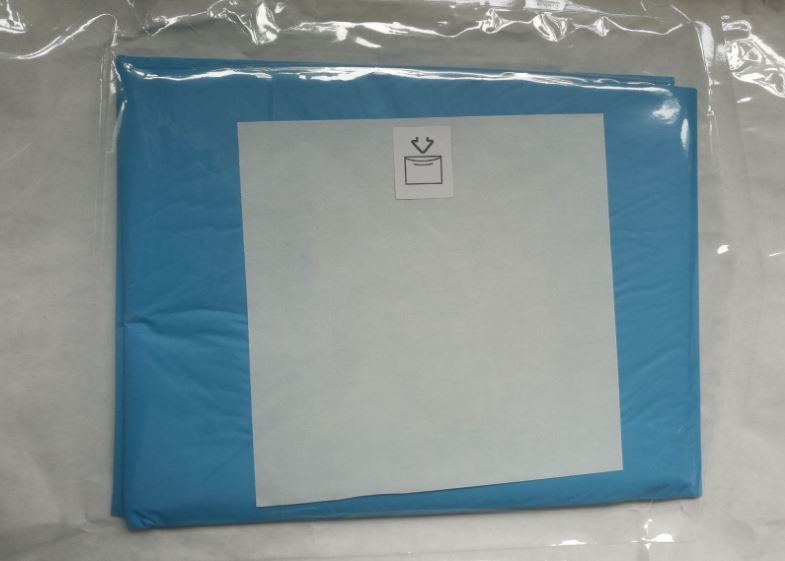
Eye drapes are specially designed sterile covers or sheets used during eye surgeries or examinations to isolate the ocular (eye) region while allowing access to the operative field. Typically made from high-performance non-woven fabrics (such as SMS – spunbond-meltblown-spunbond), laminated materials or combinations thereof, these drapes offer a barrier against fluid, microorganisms and particulate contamination. The drape is fenestrated (an opening) that aligns with the surgical site, while the remaining area shields surrounding tissues and maintains asepsis. Using the right eye drape helps to safeguard the patient and optimise surgical conditions.
Key Features & Specifications
When evaluating eye drapes, these are the features you should review:
- Material & Barrier Performance: Premium drapes use SMS non-woven, composite films or laminate fabrics to offer liquid and bacterial penetration resistance, low linting and strength. For example, one provider lists SMS+viscose+PE material.
- Sterility & Certifications: Look for EO sterilisation or similar. Certifications like ISO 13485, CE marking and EN13795 compliance indicate reliable manufacturing standards.
- Fenestration (Opening) Size & Placement: The aperture must match the surgical microscope/treatment area. Some drapes come with single large apertures, some with dual, some with integrated incise films.
- Fluid Collection Pouch/Absorbent Strip: Especially in eye surgery, fluids (irrigation, visco-elastics) need controlled management – many drapes include an integrated fluid collection bag or absorbent pad.
- Adhesive/Securing Strips: To prevent drape shifting and to maintain seal around the eye area. Adhesive must be hypoallergenic, strong and safe.
- Sizes & Packaging: Full-face drapes, half-face, mini drapes, or kits with multiple drapes. Some mould sizes to specific procedures (laser vs vitrectomy).
- Comfort & Patient Safety: Drape design should allow breathing, avoid pressure on eyelids or face, be soft and low-allergenic.
Applications: Where & How Eye Drapes Are Used
Eye drapes are used across a range of ophthalmic procedures. Here are some typical scenarios:
- Cataract Surgery: The drape isolates only the eye region, helps keep the field dry and clear, and supports microscope work.
- Glaucoma Surgery: For trabeculectomy or other filtration surgeries, the drape needs to provide sufficient access to the superior quadrant while maintaining a seal.
- Vitrectomy / Retinal Surgery: Larger surgery fields require a drape with bigger fenestration and often integrated fluid pouch for irrigation outflow.
- Laser Eye Surgery / Refractive Surgery: Drifts are smaller but require anti-static, low-lint materials and precise fenestrations.
- Ophthalmic Diagnostics / Laser Treatments: Even non-invasive procedures benefit from disposable sterile drapes to maintain cleanliness and patient comfort.
Selecting the Right Eye Drapes for Your Practice or Hospital
- Match the drape to the procedure: Ensure the fenestration, pouch size and drape dimension match the surgery type.
- Ensure sterility and compliance: Ask the supplier for certification (ISO, CE) and ensure the product meets national medical device regulations.
- Evaluate material & performance: For high-volume centres, cost matters – but don’t trade off barrier performance or patient safety.
- Check packaging & logistics: Individually packaged sterile pouches save operating room time. Also check shelf life, storage conditions and local supplier service (especially in India).
- Cost vs value: While price per piece is one factor, consider ease-of-use (time saved in OR), reduction in infection risk, and patient comfort. A better drape may pay back through fewer complications.
- Supplier support & customisation: Some suppliers offer customised drapes (size, fenestration, printed branding) which may be useful for specialised centres.
- Disposal & sustainability: In India, disposal of medical waste is costly. Consider drapes with minimal environmental impact or affiliated disposal support.
Best Practices for Use & Disposal
- Before opening, ensure the sterile pouch is intact, labelled with expiry, batch number and sterilisation status.
- In the OR, apply the drape ensuring the adhesive edges are sealed, the fenestration aligns correctly, and fluid pouch (if present) is positioned to catch irrigation/visco.
- Monitor during surgery: if fluid accumulates in the pouch, check for leaks or drape shift.
- After the surgery ends, remove the drape carefully to avoid contaminating the surgical site or instruments.
- Dispose of the drape in the appropriate medical-waste stream per your local regulations (in India: Bio-Medical Waste Management Rules).
- Maintain records of drape type, lot number and usage for traceability in case of any postoperative infection event.
Innovations & Trends in Eye Drapes
- Integrated fluid collection systems: Pouches and channels built into the drape to channel away irrigation fluid and blood more efficiently.
- Low-lint, anti-static materials: Especially relevant for laser-based ophthalmic surgery where particles can affect optics.
- Customised drape kits: Pre-assembled kits that include not only the drape, but other consumables (patches, speculums, shields) making OR prep faster.
- Environmental sustainability: Some manufacturers are exploring biodegradable coatings, recycled non-woven fabrics and better waste management (important for Indian hospitals trying to reduce medical waste burden).
- Enhanced patient comfort: Soft edging, hypoallergenic adhesives, options for facial coverage for patients undergoing surgery under local anaesthetic who may be conscious.
Why Choose Quality Eye Drapes?
- Reduced infection risk: Maintaining a sterile field and controlling fluid/particle migration lowers postoperative complications.
- Improved surgical efficiency: Proper drape design allows the surgeon unobstructed access and clear visibility.
- Better patient experience: Comfortable draping and less noise/interference during surgery improve patient trust and outcomes.
- Cost-worthiness: Although premium drapes cost more per unit, the downstream savings (less infection, fewer re-operations, improved throughput) often more than justify the investment.
Conclusion
In ophthalmic surgical practice, attention to detail on consumables like Eye Drapes can make a significant difference. Whether you’re equipping a busy cataract centre in Mumbai, or upgrading your laser-suite in Pune, choosing the right drape means looking at material, design, certification, fit for procedure, logistics and post-use disposal. As the market evolves with smarter materials and eco-friendly designs, staying informed ensures your centre remains efficient, safe and cost-effective. For any provider choosing quality ophthalmic supplies, the right eye drape is not merely a cover—it’s part of the surgical success.
Frequently Asked Questions (FAQs)
1. What are Eye Drapes used for in ophthalmic surgery?
Eye Drapes are sterile covers used during ophthalmic surgeries to isolate the eye area and maintain a contamination-free environment. They help protect the patient’s skin and surrounding areas from fluids, ensuring a sterile surgical field for better safety and precision.
2. What materials are commonly used to make Eye Drapes?
Most high-quality Eye Drapes are made from non-woven SMS fabric, polyethylene film, or laminate materials. These materials provide excellent fluid resistance, strength, and breathability—making them ideal for safe and comfortable ophthalmic procedures.
3. Are disposable Eye Drapes better than reusable ones?
Yes, disposable Eye Drapes are preferred in modern surgical settings because they eliminate the risk of cross-contamination and save sterilization time. Each drape is individually packed and pre-sterilized, ensuring consistent hygiene and patient safety during every operation.
4. How do I choose the right Eye Drapes for my clinic or hospital?
When selecting Eye Drapes, consider factors such as material quality, fenestration type, adhesive strength, and certification (ISO, CE, or EN standards). Choosing the right drape ensures proper coverage, durability, and comfort during ophthalmic surgery.
5. Can Eye Drapes be customized for specific eye procedures?
Absolutely! Many manufacturers offer customized Eye Drapes with specific fenestration sizes, fluid pouches, and adhesive styles to suit different eye procedures like cataract, LASIK, or retinal surgery. Customization enhances surgical precision and ease of use.